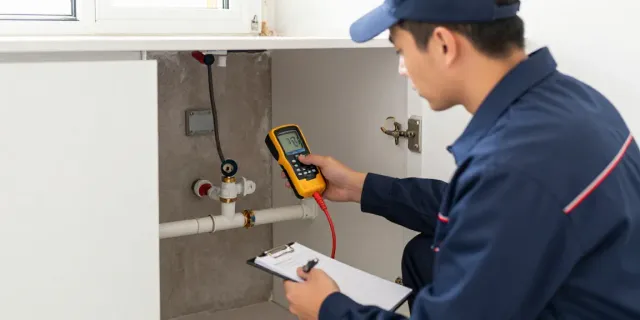
The Importance of HVAC Business Software in 2026
In an ever-evolving landscape, HVAC businesses face growing pressures to improve efficiency, stay competitive, and enhance customer satisfaction. As we step into 2026, the role of HVAC Business Software has become more critical than ever. This software not only streamlines operations but also provides valuable insights that can help businesses make informed decisions. Understanding the significance of HVAC business management solutions is essential for contractors and business owners looking to thrive in this competitive industry.
Understanding the Basics of HVAC Business Management
HVAC business management involves coordinating various aspects of service delivery, from scheduling appointments to managing inventory and invoicing customers. Effective HVAC business software integrates these processes, allowing technicians and management to collaborate seamlessly. With robust software solutions, companies can automate tasks that previously consumed a significant amount of time and resources, such as job scheduling, customer communication, and financial tracking.
Key Features of HVAC Business Software
The best HVAC business software comes equipped with a range of features designed to address the unique needs of contractors. Key features often include:
- Scheduling and Dispatching: Automate appointment scheduling and optimize route planning for technicians.
- Customer Relationship Management (CRM): Maintain detailed records of customer interactions and service history.
- Inventory Management: Track inventory levels, set reorder points, and manage equipment efficiently.
- Invoicing and Payment Processing: Streamline billing processes and accept payments electronically.
Why Every HVAC Contractor Needs Software Solutions
In a competitive marketplace, HVAC contractors must leverage technology to remain efficient and responsive to customer needs. Software solutions provide valuable tools that enable businesses to improve operational efficiency, reduce manual errors, and enhance service delivery. Furthermore, with the capacity to analyze performance metrics, managers can identify areas for improvement and implement strategies to boost profitability.
Streamlining Operations with HVAC Business Software
Scheduling and Dispatching Made Easy
Scheduling and dispatching are fundamental aspects of HVAC operations. HVAC business software simplifies these processes through real-time updates and automated notifications. For example, technicians can receive job assignments on their mobile devices, allowing for immediate access to job details, customer information, and directions. This feature not only saves time but also enhances the customer experience by ensuring timely service delivery.
Inventory Management for HVAC Businesses
Effective inventory management is crucial in the HVAC sector, where service calls often depend on the availability of parts and equipment. HVAC business software provides tools to track inventory in real-time, manage supplier relationships, and automate reorder processes. This capability helps businesses minimize downtime and reduces unnecessary expenditure on excess inventory.
Invoicing and Payment Processing Efficiency
Timely invoicing is essential for cash flow management in any business. HVAC software solutions streamline the invoicing process by allowing technicians to generate invoices on-site, directly after completing a job. Moreover, integrated payment processing options enable businesses to accept various payment methods, improving customer convenience and accelerating payment cycles.
Choosing the Right HVAC Business Software
Comparative Analysis of Top HVAC Software Solutions
When selecting HVAC business software, companies should consider the features that best match their operational needs. Some of the leading software solutions in 2026 include:
- ServiceTitan: A popular choice for its comprehensive features, including CRM, dispatching, and reporting.
- Housecall Pro: Known for its user-friendly interface and strong customer support.
- Jobber: An excellent option for smaller businesses due to its affordability and powerful features.
- FieldEdge: Offers advanced mobile capabilities ideal for technicians in the field.
Factors to Consider When Selecting Software
Choosing the right software for your HVAC business is a decision that should not be taken lightly. Key factors to consider include:
- Scalability: Ensure that the software can grow with your business.
- Usability: Look for intuitive interfaces that minimize the learning curve for staff.
- Customer Support: Quality customer service can be crucial during implementation and troubleshooting.
Real-World Case Studies of Successful Implementations
Understanding how other HVAC businesses have successfully implemented software solutions can provide valuable insights. For instance, a mid-sized HVAC company reported a 30% increase in customer satisfaction within six months of adopting a comprehensive HVAC business software. They attributed this improvement to better scheduling and faster invoicing processes, which allowed them to meet customer expectations more effectively.
Common Challenges and How to Overcome Them
Addressing Software Adoption Barriers
Despite the advantages offered by HVAC business software, some organizations encounter barriers during the adoption phase. Common challenges include resistance to change, inadequate training, and concerns about the implementation costs. To overcome these barriers, it’s crucial to involve all stakeholders in the selection process and ensure that the chosen solution aligns with the company’s goals.
Training Staff on New HVAC Software Systems
Effective training is essential for ensuring that staff can utilize the new software to its full potential. Consider creating a structured training program that includes both theoretical knowledge and hands-on experience. Regular refresher courses can also help staff stay updated on new features and best practices.
Dealing with Data Migration and Integration Issues
Data migration and integration with existing systems can pose significant challenges. It's advisable to work closely with software vendors during implementation to ensure smooth data transfer and integration. Before going live, conduct extensive testing to identify and resolve any issues that may arise.
The Future of HVAC Business Software
Emerging Trends and Technologies in 2026
As technology continues to advance, HVAC business software is expected to evolve significantly. Emerging trends include the integration of artificial intelligence (AI) for predictive maintenance, enhanced mobile capabilities for field technicians, and improved data analytics for performance tracking. These trends will equip HVAC businesses with the tools they need to work smarter and deliver exceptional customer service.
Predicting Future Changes in HVAC Operations
As the industry adapts to new technologies, HVAC operations will likely become more streamlined. Software solutions that incorporate IoT (Internet of Things) devices can provide real-time data on equipment performance, enabling proactive service delivery. Companies will need to stay ahead of these advancements to maintain a competitive edge.
Expert Insights on Next-Gen HVAC Business Solutions
Industry experts predict that the next generation of HVAC business solutions will focus on enhancing customer experience through personalized service offerings. By utilizing customer data analytics, businesses can tailor their services to meet the specific needs of their clients, ultimately improving satisfaction and fostering loyalty.
What are the benefits of HVAC software?
HVAC software offers numerous benefits, including enhanced operational efficiency, improved customer service, and comprehensive reporting capabilities. By automating routine tasks, businesses can free up valuable time and resources to focus on strategic growth initiatives.
How does HVAC business software enhance customer service?
By streamlining scheduling and improving communication, HVAC business software enhances customer service. Clients receive timely updates about service appointments, while technicians have instant access to customer histories, allowing for personalized service that builds trust and satisfaction.
Which features should I look for in HVAC business software?
When selecting HVAC business software, consider features such as scheduling and dispatching, inventory management, invoicing, and CRM capabilities. These functionalities will help ensure your business operates smoothly and efficiently.
Can small HVAC companies benefit from specialized software?
Absolutely! Specialized HVAC business software can significantly benefit small companies by automating workflows, improving customer relationships, and offering insights that drive growth. The initial investment often pays off in increased efficiency and profitability.
What is the cost of implementing HVAC business software?
The cost of implementing HVAC business software varies widely depending on the features required, the size of the company, and the vendor selected. Businesses should evaluate their specific needs and budget to find a solution that offers the best return on investment.