The Evolution of Abstract Art in Modern Creativity
Abstract art has captivated audiences for over a century, evolving from radical notions of representation to a complex exploration of color, shape, and form. As an integral part of contemporary creativity, Abstract Art not only challenges traditional perceptions but also opens a dialogue about the emotional and psychological connections we have with color. This art form has its roots deeply embedded in the larger artistic movements of the 20th century and is continuously influenced by technology and modern artists, redefining what it means to create and experience art today.
Historical Context: How Abstract Art Emerged
The birth of abstract art is a fascinating narrative that traces back to the late 19th and early 20th centuries. Artists like Wassily Kandinsky and Piet Mondrian began breaking the confines of representational art, aiming to express an inner reality through non-objective forms. The sweeping changes in society, propelled by advancements in industrialization and psychology, created an environment ripe for artistic revolution. The emergence of abstract art can be linked to the desire to capture the essence of emotion over visual representation, leading to movements such as Cubism, Futurism, and later, Abstract Expressionism.
Influences of Technology on Abstract Art
As technology advances, it shapes not only the tools artists use but the very nature of art itself. The introduction of digital art platforms and software has given rise to new possibilities in abstract expression. Artists today can manipulate colors, shapes, and compositions in ways previously unimaginable. Moreover, the integration of augmented reality and virtual reality in art installations allows viewers to engage with abstract pieces on a multi-sensory level, transforming the experience from passive observation to active participation.
Modern Artists Redefining Abstract Art Today
Contemporary artists such as Julie Mehretu and Mark Bradford are redefining abstract art by incorporating social commentary and personal narrative into their work. They challenge viewers to confront complex themes such as globalization, race, and identity through bold colors and dynamic forms. This evolution signifies a move towards inclusivity, where abstract art serves not only as a means of expression but also as a platform for discourse and awareness.
Understanding Color Theory in Abstract Art
Color is the lifeblood of abstract art, serving as a powerful tool to evoke emotions and convey messages. Understanding the psychological implications of color is essential for artists wanting to create impactful compositions. Different colors can invoke varying emotional responses; for instance, red is often associated with passion or aggression, while blue may evoke calmness or melancholy. A deep dive into color theory reveals how artists can utilize this spectrum to enhance the narrative within their work.
The Psychology of Color in Abstract Art
Color psychology plays a crucial role in how abstract art is perceived. Research indicates that color can influence mood, behavior, and even physiological responses. For instance, the warmth of reds and oranges can invoke feelings of warmth and excitement, whereas cooler hues like greens and blues can foster relaxation. This knowledge enables artists to strategically choose colors that align with the emotional journey they wish to convey, making their abstract works more resonant and engaging.
Mixing Colors: Techniques for Impactful Abstract Art
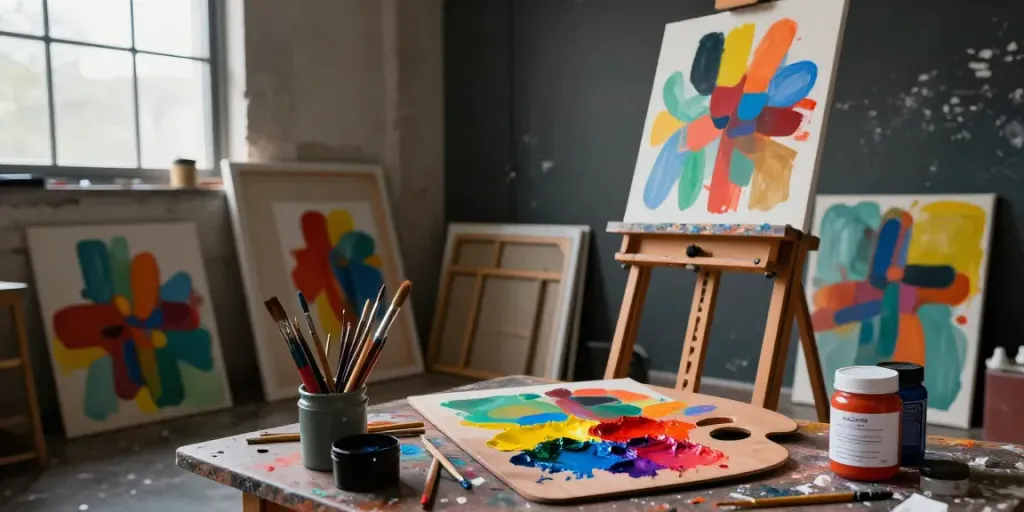
Mixing colors effectively is a fundamental skill for any artist, especially in the realm of abstract art where perception profoundly guides interpretation. Techniques such as wet-on-wet blending, glazing, and layering can produce captivating visual effects. Experimenting with complementary and analogous colors can enhance the vibrancy and depth of a piece. Achieving the right ratios and knowing how different materials interact are critical for creating harmoniously balanced compositions.
Common Misconceptions about Color Usage
Despite the rich complexity of color theory, several misconceptions persist among both novice and experienced artists. One common myth is that there are strict rules regarding color combinations; however, abstract art thrives on breaking these conventions. Rather than adhering to traditional color palettes, artists are encouraged to explore unique combinations that resonate personally and evoke genuine responses, showcasing the freedom inherent in abstract expression.
Creating Abstract Art: Techniques and Tools
Whether you're an aspiring abstract artist or a seasoned creator, having the right tools and techniques at your disposal is essential for translating your vision onto canvas. This section delves into the necessary components for executing successful abstract art, highlighting both traditional and modern practices.
Essential Tools for Abstract Artists
Abstract artists utilize a range of tools, from classic brushes and palette knives to unconventional items like sponges or even fingers. Acrylics and oils are common mediums, but many artists now explore mixed media techniques, incorporating materials like paper, fabric, or digital elements. Understanding how different tools interact with various mediums can inspire artistic experimentation and innovation.
Step-by-Step Guide to Mixing Colors
To achieve the desired hues in abstract art, artists must master the art of color mixing. Here's a basic guide to get started:
- Identify the primary colors you wish to work with.
- Experiment with ratios – start with equal parts and adjust based on your desired outcome.
- Incorporate white or black to lighten or darken your mixes, respectively.
- Test your mixed colors on a palette before application to ensure they align with your vision.
- Keep a record of successful mixes for future reference.
Experimenting with Mediums: Beyond Paint
While paint remains a staple in abstract art, exploring other mediums can lead to unexpected and exciting results. For instance, collage techniques can introduce texture and depth, while digital tools can create intricate designs that aren't feasible with traditional media. The integration of photography, video, and performance art can also provide new dimensions to abstract expression, pushing the boundaries of what constitutes art.
Connecting Abstract Art with Audience Emotions
One of the most compelling aspects of abstract art is its ability to evoke emotional responses from viewers. The interplay of color, form, and texture can create a visceral connection, prompting individuals to engage with the artwork on a personal level. Understanding this connection is crucial for artists aiming to make a significant impact through their work.
The Emotional Impact of Color and Form
The emotional resonance of abstract art stems from the viewer's interpretations of color and form. Artists can use contrast, saturation, and shape to provoke feelings ranging from joy to discomfort. For example, chaotic arrangements and stark color contrasts may instill a sense of tension, while harmonious forms accompanied by softer colors can promote tranquility. Understanding and manipulating these elements allows artists to guide the viewer's emotional journey through their work.
Case Studies: Viewer Reactions to Famous Pieces
Examining how audiences react to renowned abstract works provides insight into the emotional power of this medium. Take Jackson Pollock's "No. 5," which invited viewers to experience chaotic energy and movement on canvas. In contrast, Mark Rothko's color field paintings encourage contemplation and introspection through vast expanses of color. These variations in audience reaction highlight the subjective nature of abstract art and underscore the essential role of emotion in engagement.
Creating Personal Connection through Abstract Art
Success in abstract art often hinges on the artist’s ability to forge a personal connection with their audience. By infusing their work with their experiences and emotions, artists can create relatable pieces that resonate on multiple levels. Encouraging viewers to reflect on their personal feelings and experiences can deepen the connection, fostering a shared understanding that transcends the visual elements alone.
The Future of Abstract Art in the Digital Age
As we move deeper into the 21st century, the landscape of abstract art continues to shift, heavily influenced by technological advancements and changing societal dynamics. The possibilities for the future of this vibrant art form are vast, offering exciting prospects for both creators and consumers.
Virtual Reality and Abstract Art Experiences
Virtual reality (VR) is revolutionizing how audiences experience abstract art. Artists can create immersive environments where viewers can not only observe but also interact with their work. This shift represents a profound change in engagement techniques; it’s no longer just about passive viewing but about active participation in the artistic narrative. VR exhibits can provide unparalleled access to the creative process, allowing audiences to witness the evolution of an abstract piece in real-time.
Emerging Trends in 2026: What to Expect
In 2026, we anticipate seeing further integration of AI and machine learning in art creation. Artists may collaborate with algorithms to develop patterns and color combinations that push the boundaries of traditional composition. Moreover, sustainability will likely play a crucial role as artists seek eco-friendly materials and practices, reflecting a growing awareness of environmental concerns within the art community.
Integrating Abstract Art within Social Movements
Abstract art will increasingly intersect with social movements, serving as a medium for commentary and expression. Artists are using their platforms to address pressing issues, from climate change to social justice, reflecting the zeitgeist of a rapidly evolving global landscape. This dynamic will not only broaden the reach of abstract art but also empower artists to contribute meaningfully to societal dialogues through their work.