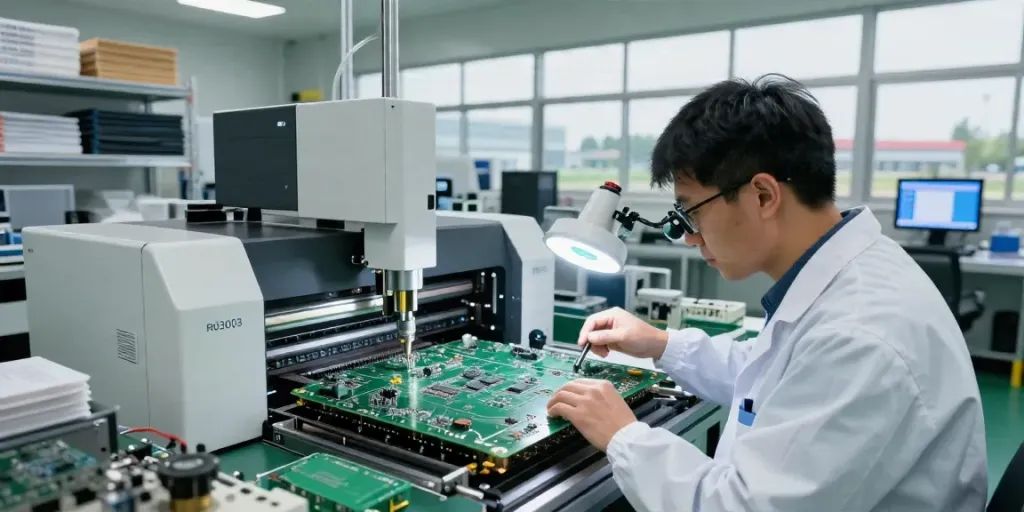
Understanding RO3003 PCB Manufacturing
RO3003 PCB manufacturing has become increasingly critical in the realm of high-frequency electronics and RF applications. As technological advancements continue to push the boundaries of communication systems, the demand for materials that can handle high frequencies with minimal loss is paramount. RO3003, a ceramic-filled PTFE laminate, is recognized for its exceptional electrical performance, making it a leading choice for various applications, including microwave and RF devices. When exploring options, RO3003 PCB manufacturing provides comprehensive insights into the capabilities and benefits of this material.
What is RO3003 PCB Material?
RO3003 is a high-frequency laminate developed by Rogers Corporation, specifically designed to meet the rigorous demands of RF and microwave applications. It is part of the RO3000 series and is characterized by its ceramic-filled polytetrafluoroethylene (PTFE) composition. This unique composition offers improved thermal stability, low dielectric loss, and excellent dimensional stability across varying temperatures and frequencies. Its structure makes it an ideal candidate for circuit boards where signal integrity is crucial.
Key Characteristics of RO3003 Laminates
The RO3003 laminate possesses several key characteristics that set it apart from other PCB materials:
- Low Dielectric Constant: The dielectric constant of RO3003 is typically around 3.0, which is favorable for high-frequency applications, allowing for reduced signal loss.
- Low Loss Tangent: With a loss tangent of approximately 0.0024, RO3003 minimizes signal degradation, making it suitable for high-performance RF applications.
- Thermal Stability: The material can maintain performance across a broad temperature range from -55°C to +125°C, which is essential for applications in varied environments.
- Fabrication Ease: RO3003 can be processed using standard PTFE circuit board fabrication techniques, simplifying the manufacturing process.
Applications of RO3003 in Electronics
RO3003 is primarily used in applications that demand high performance and stability. Notable applications include:
- Microwave circuits for telecommunications
- RFID technology
- Automotive radar systems
- Antenna designs for wireless communications
- Satellite communication systems
Benefits of Using RO3003 in PCB Production
High-Frequency Performance and Stability
One of the primary benefits of using RO3003 in PCB production is its superior high-frequency performance. Its low dielectric constant and low loss tangent enable efficient signal transmission, which is vital for applications operating at microwave frequencies. This stability ensures that components perform reliably under the high-frequency demands of modern communication systems.
Cost-Effective Solutions for RF Applications
While high-performance materials often come with a premium price tag, RO3003 offers a balanced approach by providing exceptional characteristics at a competitive cost. For manufacturers, this means lower overall costs for PCB production without compromising on quality, particularly in large-scale applications where margins are tight.
Environmental Considerations in RO3003 Manufacturing
As industries move toward more sustainable practices, the environmental impact of materials used in manufacturing is an essential consideration. RO3003 laminates are designed to reduce waste during the production process, and advancements in recycling technologies can further mitigate environmental concerns associated with PCB manufacturing, allowing for a more sustainable lifecycle.
Challenges in Producing RO3003 PCBs
Common Manufacturing Obstacles
Despite its many advantages, producing RO3003 PCBs is not without challenges. Common manufacturing obstacles include:
- Handling and Processing: Due to its chemical composition, RO3003 requires specialized handling to prevent damage during production.
- Adhesion Issues: Achieving strong adhesion between the RO3003 laminate and other materials can be difficult, necessitating robust testing and validation during design.
Processing Techniques for Optimal Results
To overcome these challenges, manufacturers must employ specific processing techniques, including:
- Utilizing appropriate adhesives that ensure strong bonding without compromising material integrity.
- Adopting advanced machinery designed to handle the unique properties of RO3003.
Quality Control Measures in PCB Production
Implementing stringent quality control measures is crucial in the production of RO3003 PCBs. Regular testing and inspection ensure that final products meet performance specifications. This includes evaluating dielectric strength, thermal properties, and electrical performance throughout the manufacturing process.
Future Trends in RO3003 PCB Manufacturing
Innovations in Material Science for PCB Applications
The future of RO3003 PCB manufacturing is poised for innovation as material science continues to evolve. Research is focused on enhancing the properties of RO3003 to further reduce weight while maintaining strong performance metrics, which is particularly critical for aerospace and automotive applications.
Market Predictions for RO3003 Materials
The demand for RO3003 materials is expected to grow significantly as global connectivity increases and industries continue to develop advanced technologies. Market predictions indicate a strong upward trend, driven by expanding applications in 5G networks and Internet of Things (IoT) devices.
Technological Advancements Shaping the Future
Technological advancements in PCB manufacturing processes, including automation and AI-driven design tools, will streamline the production of RO3003 PCBs, enhancing efficiency and reducing time-to-market for new products.
Implementing Best Practices for RO3003 PCB Manufacturing
Guidelines for Efficient PCB Design
To maximize the benefits of RO3003 in PCB manufacturing, designers should follow established guidelines that emphasize efficiency and effectiveness. This includes optimizing layer stackups to minimize loss and considering thermal management in the design phase to enhance reliability.
Quality Assurance Protocols in Production
Quality assurance should encompass all stages of production, from material selection to final testing. Implementing comprehensive protocols that involve thorough inspection can dramatically improve product outcomes and customer satisfaction.
Leveraging Automation in Manufacturing Processes
Automation can significantly enhance the efficiency of RO3003 PCB production. Implementing automated processes can reduce human error, lower production costs, and expedite timeframes from design to delivery.
What are the advantages of using RO3003 laminates?
RO3003 laminates stand out due to their low dielectric loss and excellent thermal stability, making them ideal for high-frequency applications. These materials also offer ease of fabrication, allowing for more straightforward manufacturing processes.
How does RO3003 compare to other PCB materials?
Compared to other materials such as FR4, RO3003 provides superior performance in high-frequency applications. Its lower dielectric constant and loss tangent reduce signal degradation, ensuring reliable operation in demanding environments.
What industries benefit most from RO3003 PCBs?
Industries such as telecommunications, automotive, aerospace, and any field relying on high-frequency communications benefit significantly from RO3003 PCBs due to their exceptional electrical performance and stability.
Can RO3003 PCBs be recycled?
As recycling technologies advance, recycling RO3003 PCBs is becoming more feasible. Efforts to improve recycling processes aim to reduce waste and minimize environmental impact, aligning with sustainable manufacturing goals.
What are the top manufacturers of RO3003 products?
Leading manufacturers of RO3003 products include Rogers Corporation, which pioneered the development of the RO3000 series. Other notable PCB manufacturers also utilize RO3003 materials in their high-frequency applications, continuing to push the envelope in technological advancement.