Understanding the Tupaiwin Ecosystem
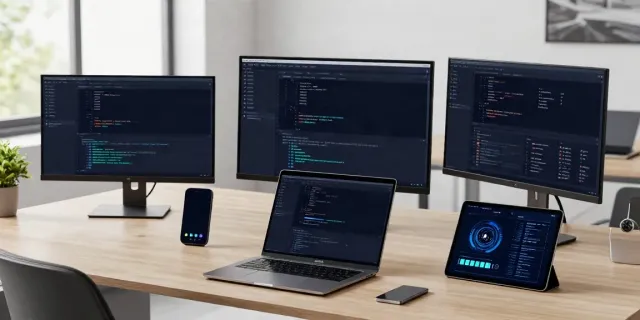
The business landscape is evolving rapidly, and at the forefront of this transformation is the tupaiwin ecosystem. This hybrid platform combines cutting-edge software development practices with robust cloud infrastructure, aiming to streamline processes and enhance decision-making. As organizations transition into this new paradigm, understanding the underlying components of Tupaiwin becomes crucial to leveraging its full potential.
The Role of Software Development in Modern Business
Software development serves as the backbone of modern businesses, enabling them to innovate, optimize, and differentiate themselves from competitors. In a world where technology drives operational efficiency, software solutions are tailored to meet specific business needs, thus enhancing customer experiences and engagement. The Tupaiwin ecosystem exemplifies this trend by integrating versatile programming frameworks and Agile methodologies that foster collaboration and rapid iteration across teams.
Key Features of Tupaiwin Platforms
- Microservices Architecture: Tupaiwin leverages microservices, allowing for modular and scalable applications that can be updated independently.
- API-First Development: With an emphasis on APIs, Tupaiwin enables seamless integrations with third-party services and tools.
- Analytics and Insights: Built-in analytics features empower companies to make data-driven decisions by providing real-time insights into user behavior and system performance.
- Security by Design: Tupaiwin prioritizes security at every development phase, ensuring that best practices are embedded from the ground up.
Adoption Trends for 2026
As we look towards 2026, the trend indicates a significant uptick in the adoption of Tupaiwin across various sectors, particularly in finance, healthcare, and eCommerce. Businesses are increasingly recognizing the need for agile and scalable solutions to navigate complex landscapes and pivot in response to market changes. Consequently, companies that invest in Tupaiwin are likely to gain a competitive edge through enhanced operational efficiencies and improved customer satisfaction.
Cloud Infrastructure and Tupaiwin Integration
Effective integration of cloud technology with the Tupaiwin ecosystem is essential for maximizing performance and reliability. By leveraging leading cloud platforms like AWS, Azure, and Google Cloud, businesses can create a robust environment capable of handling dynamic workloads and data storage needs.
Benefits of Cloud Solutions like AWS and Azure
- Scalability: Cloud solutions offer on-demand resources, allowing businesses to scale operations up or down based on real-time needs.
- Cost Efficiency: Organizations can reduce IT overhead costs, as cloud services typically operate on a pay-as-you-go model.
- Disaster Recovery: Built-in redundancy and automated backups enhance data security and recovery processes.
Future of Cloud Computing in 2026
The future of cloud computing in 2026 is poised for remarkable growth, driven by advancements in edge computing and serverless architectures. As businesses increasingly rely on real-time data processing, the demand for low-latency solutions will elevate the significance of these emerging technologies within the Tupaiwin framework.
Case Studies of Successful Implementations
Several organizations have successfully integrated Tupaiwin into their cloud infrastructure. For instance, a global retail chain implemented a Tupaiwin-based solution that streamlined its supply chain processes through real-time tracking and analytics, resulting in a 30% reduction in operational costs. Such case studies highlight the transformative potential of Tupaiwin when combined with the right cloud strategies.
AI/ML Implementation with Tupaiwin
Artificial Intelligence (AI) and Machine Learning (ML) applications are revolutionizing industries, from predictive analytics to customer service automation. The integration of these technologies within the Tupaiwin ecosystem fosters innovation and improves operational efficiency.
Best Practices for AI Integration
- Define Clear Objectives: Establish what problems the AI solution will solve and its expected outcomes.
- Data Quality Assessment: Ensure high-quality data is available for training ML models to avoid biases and inaccuracies.
- Iterative Development: Use Agile methodologies to refine AI tools incrementally based on user feedback and performance metrics.
Real-World Applications of Machine Learning
Companies are employing ML algorithms to enhance user personalization, optimize inventory management, and improve fraud detection mechanisms. A notable example includes the finance sector, where institutions utilize ML models to predict market trends and identify irregularities in real time, significantly mitigating risk.
Quantifying Success in AI Projects
Key performance indicators (KPIs) must be established to measure the success of AI initiatives within the Tupaiwin ecosystem. Metrics such as accuracy of predictions, reduction in manual processes, and customer satisfaction scores provide meaningful insights into the impact of AI on business outcomes.
Cybersecurity Strategies in the Era of Tupaiwin
With increased digital interactions come heightened vulnerabilities, necessitating robust cybersecurity measures. Organizations using the Tupaiwin ecosystem must prioritize data protection to safeguard against breaches and cyber threats.
Essential Protocols for Protecting Data
- Encryption: Implement strong encryption protocols for data at rest and in transit to enhance confidentiality.
- Access Controls: Regularly review user permissions to ensure that sensitive information is accessible only to authorized personnel.
Threat Mitigation in Software Development
Incorporating security testing throughout the development lifecycle is critical. Employing practices like regular vulnerability assessments and penetration testing helps identify and address potential threats before deployment.
Future Trends in Cybersecurity for 2026
The cybersecurity landscape in 2026 will likely be characterized by the adoption of AI-driven security solutions that enhance threat detection and response times. As cyber threats become more sophisticated, leveraging machine learning algorithms to predict and counteract attacks will be a critical component of the Tupaiwin ecosystem.
Optimizing Performance and Scalability for Tupaiwin Solutions
Performance and scalability are integral to the success of any Tupaiwin implementation. Organizations must establish strategies that allow their applications to perform efficiently under varying load conditions.
Effective CI/CD Pipeline Strategies
Continuous Integration (CI) and Continuous Deployment (CD) frameworks are essential for maintaining high software quality and rapid delivery. Automating testing processes and enabling frequent integrations allows teams to address issues in real-time while ensuring that their deployments are consistently reliable.
Performance Metrics and Monitoring
- Response Times: Monitor application response times to ensure a seamless user experience.
- Resource Utilization: Track CPU, memory, and network usage to balance loads and optimize resource allocation.
Long-Term Solutions for Scalability
Organizations should consider adopting containerization technologies to orchestrate microservices efficiently. Solutions like Kubernetes can provide the necessary framework for effective scalability while maintaining performance consistency.
FAQs
What is Tupaiwin and its significance?
Tupaiwin is an innovative ecosystem that integrates various software development practices, cloud computing technologies, and AI/ML capabilities to create efficient and scalable solutions tailored for modern businesses.
How can developers leverage Tupaiwin for their projects?
Developers can utilize Tupaiwin's modular architecture and robust API functionalities to create applications that are both adaptable and capable of leveraging cloud and AI capabilities seamlessly.
What are the advantages of using Tupaiwin in a business?
Organizations adopting Tupaiwin can expect enhanced operational efficiency, reduced costs, improved scalability, and the ability to integrate advanced technologies such as AI and machine learning.. Additionally, tupaiwin provides further details.