Understanding Automatic Bag Palletizer Machines
In the fast-paced world of manufacturing, efficiency and accuracy are paramount. This is where the role of an automatic bag palletizer machine becomes crucial. These machines are designed to automate the process of stacking bags onto pallets, significantly enhancing productivity and minimizing labor costs. Businesses that rely on bulk bag handling—such as those in the food, chemical, and agricultural industries—can particularly benefit from these advanced systems.
What is an Automatic Bag Palletizer Machine?
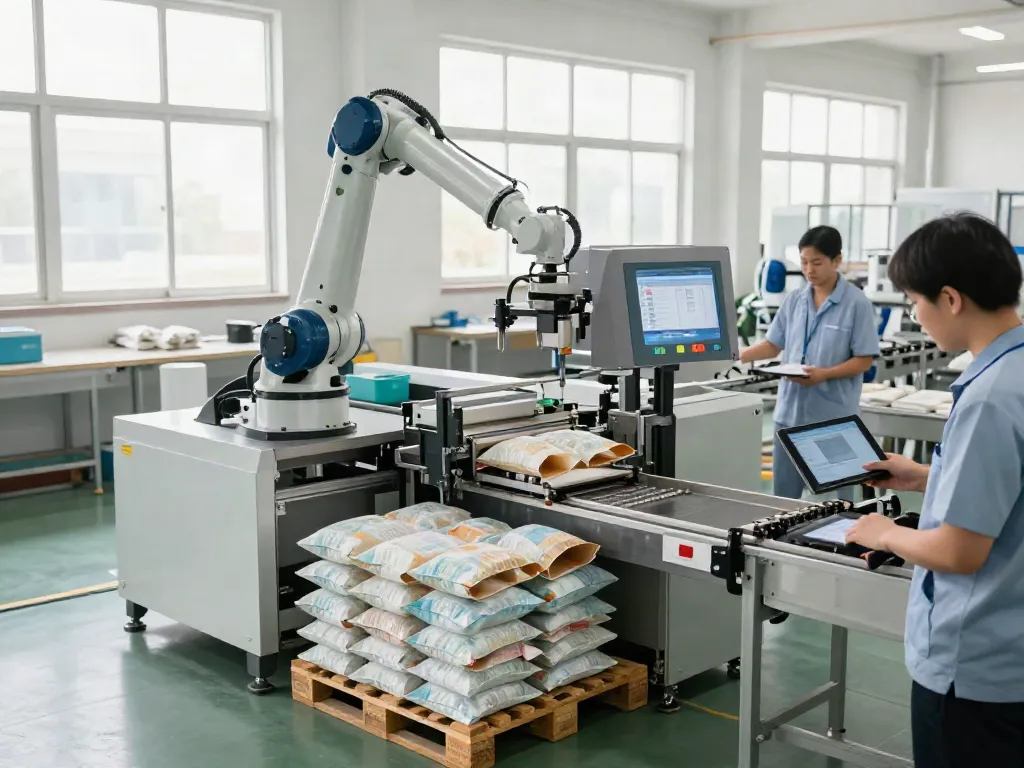
An automatic bag palletizer machine is a highly sophisticated piece of equipment that uses robotic technology to stack bags—typically filled with products like grains, chemicals, or pet food—onto shipping pallets. Unlike traditional manual palletizing, which relies heavily on human labor, these automated systems can operate continuously, increasing throughput and reducing the risk of injury associated with repetitive lifting.
Key Features of Modern Palletizers
- Versatility: Capable of handling bags of various sizes and materials, including paper, plastic, and woven options.
- Integration: Seamlessly incorporates into existing production lines, allowing for smooth transitions from packaging to palletizing.
- Efficiency: High-speed operation that can significantly outpace manual processes, often stacking 10-25 bags per minute.
- User-friendly interfaces: Most machines come equipped with intuitive controls, enabling easy operation and troubleshooting.
Benefits Over Manual Palletizing Systems
The advantages of switching to an automatic bag palletizer machine are clear. Firstly, they reduce labor costs by minimizing the need for manual handling, which can be both time-consuming and physically demanding. Secondly, the consistency offered by automated systems leads to a reduction in product damage during handling and ensures that pallet loads are stable and uniform.
Additionally, automatic palletizers can significantly enhance operational efficiency. With their ability to maintain high production rates without breaks, they can help meet increasing demand while freeing up staff for more critical tasks in the production line.
Choosing the Right Machine for Your Business
Selecting the appropriate bag palletizer is a vital decision that can greatly impact operational efficiency. With numerous options available, it’s essential to consider several key factors to ensure that the machinery meets your unique business needs.
Factors to Consider When Selecting a Palletizer
- Bag types: Understand the range of bags your operation uses and ensure the machine is compatible.
- Production capacity: Analyze your current production levels and future growth to choose a machine that can scale with your business.
- Space constraints: Measure your facility to determine the maximum dimensions for the palletizer, ensuring it fits comfortably within your existing layout.
- Budget: Set a realistic budget that accommodates not just the machine purchase but also installation and maintenance costs.
Different Types of Bag Palletizers
There are several types of bag palletizers available, each designed for specific applications. The main categories include:
- Robotic palletizers: Use robotic arms to pick and place bags onto pallets, offering flexibility and adaptability.
- Conventional palletizers: Often used for high-volume operations, these machines use mechanical means to move bags into position.
- High-speed palletizers: Designed for operations with extremely high output needs, capable of processing large quantities quickly.
Cost Analysis: Investment vs. ROI
Investing in an automatic bag palletizer machine can be significant, but the return on investment (ROI) can be substantial over time. By calculating factors such as labor savings, reduced product damage, and increased throughput, businesses can determine the potential ROI. Many companies report recouping their investment within a few years due to heightened efficiency and reduced operational costs.
Optimizing Operations with Advanced Technology
The integration of advanced technology in automatic bag palletizers can bring a multitude of benefits to manufacturing operations. As businesses evolve, utilizing these innovations can ensure they remain competitive and efficient.
Integration with Existing Packaging Lines
One of the key features of modern bag palletizers is their ability to integrate seamlessly with existing packaging lines. Whether it's filling, sealing, or labeling, a well-integrated system helps maintain workflow and optimize production efficiency. This can often be achieved through customized solutions tailored to specific operational requirements.
Enhancing Productivity and Reducing Waste
Automation not only enhances productivity but also plays a crucial role in waste reduction. With precise placement and optimized handling processes, less product is damaged during palletizing. Furthermore, reducing manual handling minimizes the likelihood of human error, which can lead to additional waste and costs.
Real-world Success Stories of Optimized Palletizing
Many companies across various industries have experienced transformative changes by implementing automatic bag palletizers. For instance, a leading grain manufacturer reported a 40% increase in operational efficiency after integrating a robotic palletizer into their production line. Similarly, a chemical processing plant reduced labor costs by 30% and improved safety conditions significantly. These success stories highlight the potential benefits of investing in automatic bag palletizer technology.
Common Challenges and Solutions
While the benefits of automatic bag palletizers are clear, potential challenges and misconceptions can hinder companies from making the leap to automation.
Addressing Misconceptions About Automation
Some businesses may hesitate to adopt automated systems due to misconceptions about complexity and costs. In reality, many modern bag palletizers are designed for ease of use and efficient troubleshooting. Training for staff can be minimal, and many manufacturers provide supportive resources to ensure seamless transitions.
Dealing with Technical Issues Effectively
Technical issues can arise with any machinery, and automatic bag palletizers are no exception. Establishing a solid maintenance plan, including regular inspections and training for technicians, can mitigate downtime. Additionally, partnering with manufacturers who offer strong customer support can be invaluable in addressing and resolving issues promptly.
Best Practices for Maintenance and Performance
To ensure optimal performance from your bag palletizer, consider implementing these best practices:
- Regular cleaning: Keep the machine and surrounding areas clean to prevent contamination and ensure smooth operation.
- Scheduled maintenance: Create a maintenance schedule that includes checks on all moving parts and software updates.
- Staff training: Ensure that staff are adequately trained on operational protocols and troubleshooting procedures.
Future Trends in Bag Palletizing
As technology continues to evolve, so too does the landscape of bag palletizing. Staying ahead of emerging trends will be essential for businesses looking to maintain a competitive edge.
Emerging Technologies to Watch in 2026
Several technological advancements are on the horizon that could significantly impact bag palletizing. These include the use of artificial intelligence for enhanced decision-making and machine learning algorithms that optimize palletizing patterns and reduce product damage. Furthermore, collaboration between machines will enable even more efficient operations as systems become increasingly interconnected.
Environmental Sustainability in Palletizing
As sustainability becomes a priority for many manufacturers, the focus is also shifting towards environmentally-friendly packaging solutions. Automatic bag palletizer machines can be designed to minimize waste and utilize sustainable materials, aligning with broader corporate social responsibility initiatives.
Forecasting Industry Demands and Innovations
The demand for automated solutions is projected to rise as businesses seek to streamline operations and enhance productivity. In the coming years, innovations focused on flexibility, ease of use, and integration with warehouse management systems are expected to dominate the market for bag palletizers, ensuring they remain an invaluable asset for manufacturers.