Understanding CNC Machining Parts
The world of manufacturing has rapidly evolved, and at the heart of this transformation lies CNC machining. CNC, or Computer Numerical Control, machining is a sophisticated process that enables the precision manufacturing of parts across various industries. Since 2003, Honscn has been dedicated to providing cnc machining parts that meet the highest standards of quality and accuracy. Understanding the fundamentals of CNC machining parts is crucial for manufacturers looking to leverage this technology effectively.
What Are CNC Machined Components?
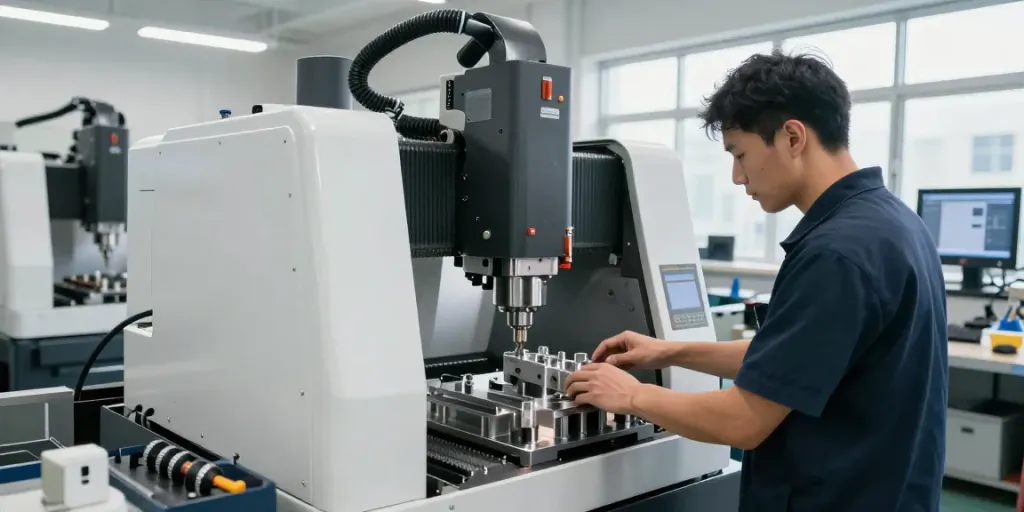
CNC machined components are parts produced using CNC machines that automate the manufacturing process. These machines perform various processes, such as milling, turning, and drilling, by following a set of coded instructions. The result is highly intricate parts with uniformity and precision that manual manufacturing processes simply cannot achieve.
Common examples of CNC machined components include gears, brackets, housings, and custom-designed parts tailored to specific applications. The ability to produce complex geometries while maintaining tight tolerances is what sets CNC machining apart from traditional methods.
The CNC Machining Process Breakdown
The CNC machining process can be broken down into several key stages:
- Design and Modeling: The first step involves creating a detailed 3D model of the part using CAD (Computer-Aided Design) software. This model serves as the blueprint for the machining process.
- Programming: Once the design is finalized, the model is converted into G-code, which is the language that CNC machines understand. This programming dictates how the machine will create the part.
- Machining: The CNC machine begins the manufacturing process. It removes material from a solid block (the workpiece) to shape it into the final part using various tools.
- Quality Control: After machining, the parts undergo rigorous quality checks to ensure they meet the specified tolerances and standards.
- Finishing: Finally, additional processes like sanding, polishing, or coating may be applied to enhance the appearance and durability of the parts.
Common Materials Used in CNC Machining
CNC machining can work with a wide range of materials. Some of the most commonly used include:
- Metals: Aluminum, steel, brass, and titanium are prevalent due to their strength and durability.
- Plastics: ABS, nylon, and polycarbonate are popular for producing lightweight, corrosion-resistant parts.
- Composites: Materials like carbon fiber and fiberglass are used in applications where weight and strength are critical.
Expert Tips for High-Quality CNC Machining Parts
To achieve high-quality CNC machined parts, manufacturers should consider several important factors that influence production outcomes. These include precision techniques, quality assurance measures, and the essential tools required for success.
Precision Techniques for Effective Machining
Achieving precision in CNC machining involves various techniques, such as:
- Tool Selection: Choosing the right tools for specific materials is crucial for maintaining accuracy. Each material may require different cutting speeds and materials for the tools.
- Machine Calibration: Regular calibration of CNC machines ensures that they maintain the required precision and reduce errors.
- Fixture Design: Designing effective fixtures can help secure workpieces in place, minimizing vibrations and movement that could lead to inaccuracies.
Quality Assurance Measures to Adopt
Implementing robust quality assurance measures is essential to deliver high-quality CNC machined parts. Some recommended practices include:
- Inspection Protocols: Establishing systematic inspection protocols at various stages of production can help catch defects early in the process.
- Tolerance Analysis: Regularly analyzing tolerances can ensure that parts are produced according to specifications and can fit together seamlessly.
- Documentation: Keeping detailed records of the machining process and inspection results can help identify trends and areas for improvement.
Essential Tools and Technologies for Success
The right tools and technologies are critical for achieving exceptional results in CNC machining. Key tools include:
- CNC Machines: Investing in high-quality CNC machines that fit the specific production needs of a business can greatly impact output quality.
- CAD Software: Advanced CAD programs allow for precise design and modeling, which is essential for producing accurate parts.
- Simulation Software: This technology can simulate the machining process, allowing manufacturers to optimize tool paths and reduce waste before production begins.
Cost Analysis and Budgeting for CNC Machining Parts
Understanding the financial implications of CNC machining is essential for manufacturers. Cost factors play a significant role in determining the feasibility and profitability of projects.
Understanding Pricing Models for Machined Parts
CNC machining costs can vary widely based on several pricing models, including:
- Per-Part Pricing: This model calculates the cost based on the number of parts produced. Economies of scale often apply here, with larger orders yielding lower costs per unit.
- Time-Based Pricing: Some service providers charge based on the machine time required to complete the job, making it essential to estimate machining time accurately.
- Project-Based Pricing: This model considers the overall project scope, including design, materials, and machining, offering a comprehensive cost overview.
Factors Influencing CNC Machining Costs
Several factors can influence the costs associated with CNC machining, including:
- Material Type: The choice of material directly impacts costs, with metals generally being more expensive than plastics.
- Complexity of Design: More intricate parts require advanced machining processes, which can increase costs.
- Batch Size: Larger production runs can help spread setup costs over more parts, lowering the cost per unit.
Budget-Friendly Strategies for Businesses
To keep CNC machining projects within budget, companies can adopt the following strategies:
- Optimize Designs: Simplifying designs can reduce machining complexity and costs.
- Negotiate Bulk Discounts: Working with suppliers for bulk orders can yield discounts and lower overall costs.
- Invest in Technology: Upgrading to more efficient machines can reduce operational costs over time and improve production efficiency.
Real-World Applications of CNC Machining Parts
CNC machining is employed across various industries due to its versatility and precision, making it indispensable for many applications.
Industry-Specific Use Cases for CNC Machining
Here are some examples of how different industries utilize CNC machined parts:
- Aerospace: Produces lightweight, high-strength components for aircraft and spacecraft.
- Automotive: Creates custom parts for vehicles, including engine components, brackets, and body panels.
- Medical: Essential for manufacturing surgical instruments and prosthetics that require extreme precision.
Case Studies of Successful CNC Machining Projects
Many companies have achieved improved efficiency and quality through tailored CNC machining projects. For instance, a renowned aerospace manufacturer reduced production time by 30% by optimizing their CNC machining processes and implementing advanced quality control measures. This case emphasizes the importance of strategic planning in the CNC machining landscape.
Innovative Developments in CNC Applications
The CNC machining industry continues to innovate, with advancements such as:
- Additive Manufacturing Integration: Combining CNC machining with 3D printing techniques to enhance production capabilities.
- Smart Technologies: Automated tools that utilize IoT (Internet of Things) technology for real-time monitoring and adjustments.
- Sustainable Practices: Innovations focused on reducing waste and energy consumption make CNC machining more sustainable.
The Future of CNC Machining Parts in 2026 and Beyond
As technology evolves, the CNC machining industry is poised for significant changes in the coming years, impacting how manufacturers operate.
Emerging Trends in the CNC Machining Industry
Future trends include:
- Increased Automation: More manufacturing processes will utilize automation, improving efficiency and reducing labor costs.
- AI Integration: The introduction of artificial intelligence in CNC machining for predictive maintenance and optimizing machining parameters.
- Customization and Rapid Prototyping: A rise in demand for custom parts will drive the need for quick turnaround solutions.
Predictions for CNC Technology Advancements
Experts predict advancements like:
- Enhanced Software: Improvements in CAM (Computer-Aided Manufacturing) software will facilitate more complex part designs and improved machining efficiency.
- Advanced Materials: New material innovations will expand the capabilities of CNC machining, allowing for stronger and lighter components.
- Robust Cybersecurity Measures: As machinery becomes more connected, investing in cybersecurity for CNC systems will become imperative to protect against potential vulnerabilities.
How to Stay Competitive in the Evolving Landscape
To remain competitive in this dynamic market, businesses should focus on:
- Continuous Learning: Staying updated on the latest technologies and techniques in CNC machining will give manufacturers a competitive edge.
- Networking: Building relationships within the industry can lead to partnerships and collaborations that drive innovation.
- Customer Feedback: Actively seeking and implementing customer feedback can help refine processes and enhance product offerings.
What are the 7 major parts of a CNC machine?
The seven major components of a CNC machine include the controller, drive system, spindle, feed mechanism, worktable, tooling, and coolant system. Understanding these parts is essential for effective operation and maintenance.
Can a CNC machinist make 100k a year?
Yes, CNC machinists with advanced skills and experience, especially those in specialized sectors like aerospace or medical manufacturing, can achieve annual salaries of $100,000 or more.
How much does it cost to get a part CNC machined?
The cost to CNC machine a part can vary based on material, complexity, and quantity but typically ranges from a few dollars to hundreds per part for custom designs.
What are custom CNC machining services?
Custom CNC machining services involve tailored manufacturing solutions to produce specific parts based on client specifications, allowing businesses to create unique components that meet their requirements.
How to choose the right CNC machining supplier?
When selecting a CNC machining supplier, consider factors such as their experience, quality assurance processes, delivery times, and customer service. It's essential to choose a partner who aligns with your industry needs and quality expectations.