Understanding the SHASHEL® Technology
In today's world, wood-boring insects pose a significant threat to hardwoods and softwoods, causing structural damage and compromising the integrity of wooden products. The SHASHEL® technology offers a revolutionary approach for addressing these infestations, utilizing state-of-the-art microwave equipment. This method not only eliminates woodworms and other pests swiftly but does so without harmful chemicals, making it safe for both your family and the environment. When exploring options, SHASHEL® provides comprehensive insights into how their technology revolutionizes wood pest control.
What is SHASHEL® and How Does It Work?
SHASHEL® is a patented technology designed specifically to combat wood-boring insects, such as woodworms, and their larvae. Unlike traditional pest control methods that rely on toxic chemicals, SHASHEL® uses controlled microwave energy to penetrate the wood, targeting pests at various life stages. The process involves heating the wood to a specific temperature that is lethal to these insects while remaining safe for the structure itself. This innovative approach ensures that wood remains intact and usable after treatment.
Key Benefits of Using SHASHEL® for Wood Treatment
- Fast Results: The elimination of pests can occur within minutes, making this an efficient solution for urgent infestations.
- Chemical-Free: With SHASHEL®, there are no harmful chemicals used in the treatment, promoting a safe environment for children and pets.
- Deep Penetration: The microwave technology allows for deep penetration into the wood, ensuring that even hard-to-reach larvae and eggs are effectively eradicated.
- Versatile Application: Suitable for different materials, including hardwoods and softwoods, as well as metal components in certain applications.
Comparing SHASHEL® to Traditional Chemical Methods
Traditional pest control methods often employ chemical treatments that can be hazardous to both humans and the environment. These methods may require long exposure times and often leave behind residual chemicals that can cause health concerns. In contrast, SHASHEL® offers a clean and environmentally friendly alternative, eliminating the need for these harmful practices. Additionally, the speed and thoroughness of the SHASHEL® technology can significantly reduce the overall time required for pest management.
Identifying Pest Infestations
Recognizing the signs of an infestation is the first step in protecting your wooden assets. Understanding what to look for can prevent extensive damage and costly repairs.
Signs of Woodworm and Other Wood-Boring Insects
Wood-boring insects often leave behind visible indicators, such as:
- Small Holes: Tiny exit holes on the surface of the wood indicate adult beetles have emerged.
- Wood Dust: Fine powdery dust, also known as frass, results from boring activity and can be found beneath affected areas.
- Weakness in Wood: Soft spots or crumbling wood signify that an infestation may have compromised its integrity.
Common Areas Where Infestations Occur
Infestations can occur in various environments, including:
- Older Buildings: Structures with untreated wood are often more susceptible.
- Furniture: Wooden furniture, particularly antiques, can harbor infestations if they are not regularly inspected.
- Wood Storage Areas: Sheds and garages can also serve as breeding grounds for these pests.
How to Assess the Severity of an Infestation
To evaluate how serious an infestation is, consider conducting a thorough inspection and consulting with pest control professionals if necessary. Look for the signs mentioned above and check multiple areas, as infestations can spread quickly.
Preparing for Treatment with SHASHEL®
Before proceeding with SHASHEL® treatment, adequate preparation is essential to ensure effective results.
Setting Up Your Workshop for Safe Treatment
Creating a safe environment for treatment is crucial. Ensure that your work area is well-ventilated and free from clutter to allow easy access to the equipment.
Essential Equipment and Safety Measures
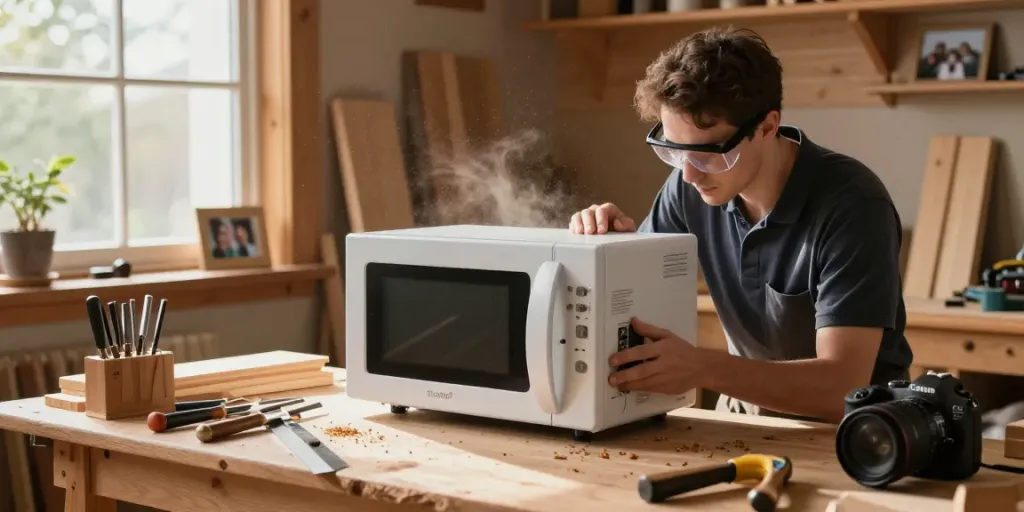
While SHASHEL® equipment is designed for safety and efficiency, wearing appropriate personal protective equipment (PPE) such as gloves and goggles is recommended during the treatment process to avoid any potential hazards.
Understanding the Treatment Process
The treatment process involves placing the infested wood within the SHASHEL® microwave device, which is set to the appropriate power and time based on the specific pest and wood type. Monitoring the temperature during treatment is vital to achieve optimal results.
Implementation of SHASHEL® Technology
Effective implementation of SHASHEL® technology is key to ensuring successful pest eradication.
Step-by-Step Guide to Using SHASHEL® Equipment
- Inspect: Examine the wood and identify the extent of the infestation.
- Prepare: Set up the workshop, ensuring safety measures are in place.
- Treat: Use the SHASHEL® equipment according to the manufacturer's guidelines.
- Monitor: Track the temperature and duration of treatment to confirm effectiveness.
Common Mistakes to Avoid During Treatment
- Inadequate Inspection: Failing to thoroughly inspect the wood can lead to missed areas.
- Improper Setup: Not following the setup instructions can hinder the effectiveness of the treatment.
- Neglecting Safety: Overlooking safety measures can pose risks during the treatment process.
Best Practices for Optimal Results
To maximize the effectiveness of SHASHEL® treatment, always adhere to the manufacturer's instructions, maintain a clean workspace, and ensure that all equipment is functioning correctly before starting the process.
Post-Treatment Care and Maintenance
After treating your wood with SHASHEL®, ongoing care is essential to ensure long-term success and prevent reinfestation.
How to Inspect Treated Wood for Longevity
Regular inspections after treatment can help you identify any potential issues before they escalate. Look for any signs of re-infestation and evaluate the condition of the wood itself.
Ongoing Prevention Tips for Future Infestations
To keep your wooden items safe, consider implementing preventive measures such as:
- Regular Inspections: Establish a routine checkup schedule for your wooden structures and furniture.
- Maintain Dry Conditions: Wood-boring insects thrive in moist environments; thus, keeping wood dry is essential.
- Seal Exposed Wood: Use varnishes or sealants to protect the wood from potential infestations.
Evaluating the Effectiveness of Your Treatment
After treatment, evaluate the effectiveness by monitoring the condition of the wood over time. If signs of infestation appear again, consult with pest control professionals for further action.