Understanding Containerized Water Treatment Systems
In an age where water scarcity and quality are pressing global concerns, the demand for efficient and adaptable water treatment solutions has never been greater. Containerized water treatment systems are emerging as a flexible and innovative approach, addressing various needs across municipal, industrial, and remote applications. This technology allows for the establishment of effective water treatment processes that can be tailored to specific requirements, regardless of the incoming water quality. water treatment systems manufacturer like QILEE specialize in delivering these solutions, combining advanced engineering with practical usability.
What are Containerized Water Treatment Systems?
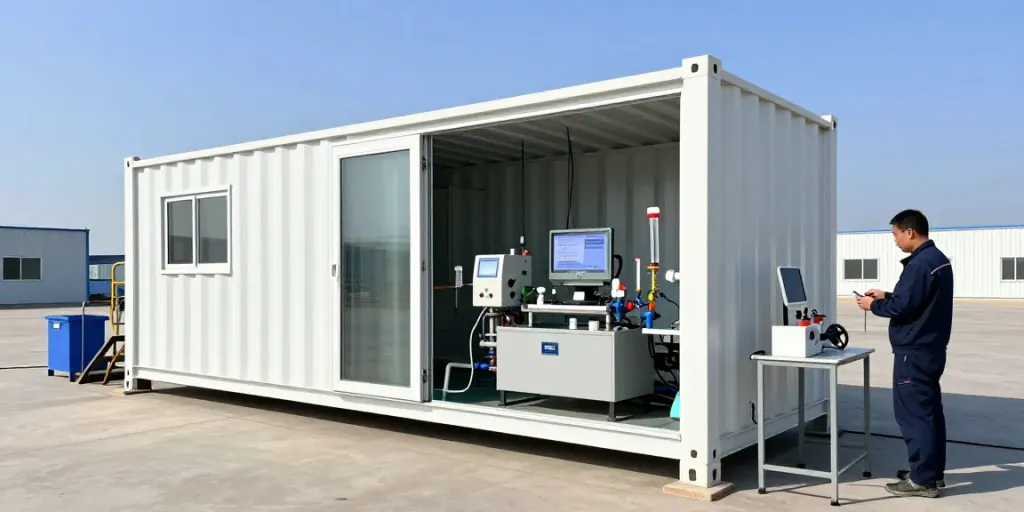
Containerized water treatment systems encapsulate critical water treatment processes into modular units, making them portable and easy to deploy. These systems are constructed within durable shipping containers, allowing for quick transport and set-up in diverse environments. Not only do they provide flexibility in deployment, but they also integrate advanced technologies to ensure high-quality water production. With the capability to operate autonomously, these systems can produce drinking water, industrial process water, or reclaimed water for various applications.
Key Features of Modular Water Treatment Solutions
- Modularity: The design allows for easy expansion or reduction based on needs.
- Quick Deployment: Installation typically takes just a few days, drastically reducing the time from concept to operation.
- Integration Capabilities: These systems can be equipped with additional modules, such as reclaimed water treatment or advanced filtration technologies.
- Intelligent Control Systems: Advanced monitoring and control systems ensure that performance can be tracked in real-time, optimizing operations and maintaining quality assurance.
Applications in Municipal and Industrial Contexts
Containerized water treatment systems find their applications in a wide range of settings. In municipal contexts, they serve communities with urgent water needs, particularly in areas where conventional infrastructure is lacking or in disaster recovery scenarios. For industries, these systems can provide high-purity water essential for pharmaceutical production, electronics manufacturing, and other high-tech processes. Their adaptability allows for tailored solutions to meet specific water quality requirements across various sectors.
Benefits Over Traditional Water Treatment Systems
Comparing containerized systems with traditional water treatment methods highlights significant advantages that can lead to enhanced efficiency and sustainability. This shift is crucial in addressing the increasing demand for clean water amidst growing environmental concerns.
Speedy Deployment and Flexibility Advantages
One of the most compelling benefits of containerized water treatment systems is their deployment speed. Conventional systems often require lengthy construction timelines and extensive site preparation, taking 3 to 6 months to operational readiness. In contrast, containerized solutions can be operational within 3 to 7 days. This rapid deployment is advantageous for municipalities facing emergencies or industries experiencing rapid growth.
Space Optimization and Site Requirements
Traditional water treatment facilities often necessitate large areas for civil engineering, which can be a barrier to implementation, particularly in urban areas. Containerized systems, on the other hand, require only a flat surface for installation, reducing the necessary physical footprint by up to 50%. This space optimization makes them ideal for densely populated regions or sites with land constraints.
Quality Control and Monitoring Capabilities
Quality assurance is paramount in any water treatment process. Containerized systems are engineered with factory prefabrication and standardized inspections, ensuring consistent quality. Their intelligent control systems provide real-time monitoring, enabling operators to make informed decisions instantly. Manual operations, which often plague traditional systems, are minimized, leading to enhanced reliability and fewer human errors in water processing.
Case Studies of Successful Implementations
Real-world applications of containerized water treatment systems illustrate their versatility and effectiveness across various sectors. Each case offers insights into their operational benefits and the innovative approaches employed by leading manufacturers.
Municipal Water Treatment Solutions: A Case Study
In a recent project in a drought-affected region, a containerized water treatment system was deployed to provide safe drinking water to a small town. Within just a week, the system was operational, processing local water sources to meet the community's needs. This system not only addressed immediate health concerns but also served as a model for future installations in similar contexts.
Industrial Applications: Achieving High-Purity Water
In the pharmaceutical industry, a containerized system was implemented to provide ultra-pure water for drug manufacturing. The system's ability to deliver consistent quality while adapting to the facility's specific needs resulted in improved production timelines and reduced waste. Operators found the modularity of the system particularly beneficial as they could easily adjust capacity based on fluctuating demand.
Remote and Emergency Water Solutions: Success Stories
Following natural disasters, many communities have struggled with contaminated water supplies. Containerized systems have been deployed as emergency solutions, providing immediate access to clean water. For instance, during a recent hurricane, mobile containerized treatment units were set up within days, restoring clean drinking water to affected populations swiftly and efficiently.
Best Practices for Integrating Containerized Systems
To leverage the full potential of containerized water treatment systems, organizations must implement best practices during installation and operation. Proper integration and user training are essential for maximizing performance.
Strategies for Effective Installation and Setup
A well-planned installation process is crucial for the successful operation of containerized systems. It’s important to conduct a site assessment to ensure compatibility with existing infrastructure. Collaborating with a water treatment systems manufacturer helps guarantee that all necessary components are included and that the system is tailored to meet specific water quality standards.
Maintenance and Operational Efficiency Tips
Regular maintenance is vital for ensuring long-term reliability. Developing a comprehensive maintenance schedule will help identify potential issues before they escalate. Implementing an intelligent monitoring system provides real-time data, enabling predictive maintenance that can significantly reduce downtime and operational costs.
Training and Support for End Users
End-user training is essential for maximizing the capabilities of containerized water treatment systems. Providing thorough training sessions on operational procedures, maintenance protocols, and emergency responses equips users to handle diverse situations competently. Ongoing support from the manufacturer fosters a long-lasting partnership that enhances system performance.
Future Trends in Water Treatment Systems
Looking ahead, several emerging trends are poised to reshape the water treatment landscape. Innovations in technology, coupled with increased environmental awareness, are driving the evolution of water treatment practices.
Emerging Technologies Shaping Water Treatment
Advancements in filtration technologies, such as membrane bioreactors and advanced oxidation processes, are becoming integral components of containerized systems. These innovations enhance the ability to remove contaminants and improve water quality. Additionally, the integration of IoT and AI technologies provides development in predictive analytics, leading to smarter and more efficient water treatment processes.
Environmental Considerations and Sustainability
Sustainability considerations are shaping modern water treatment solutions. Containerized systems offer significant resource recycling capabilities, with rates potentially reaching up to 80%. This aspect is vital for industries seeking to minimize waste and comply with stricter environmental regulations. Future systems will likely incorporate renewable energy sources and more sustainable materials.
Predictions for the Water Treatment Market in 2026
As we look towards 2026, the global water treatment market is expected to grow substantially. Driven by increasing demand for clean water, especially in developing regions, containerized solutions will play a critical role in meeting these needs. The shift towards more adaptable, efficient, and environmentally friendly systems will dominate the landscape, positioning containerized water treatment systems as a key player in this evolution.
What are the advantages of containerized water treatment systems?
Containerized systems offer numerous advantages, including rapid deployment, modular design for easy expansion, and high-quality water production. Their portability allows for relocation based on demand, making them a versatile option for various settings.
How do modular systems adapt to different locations?
Modular systems are designed to be flexible, allowing them to be configured based on site-specific requirements. Their compact footprint means they can be installed in diverse environments, from urban settings to remote areas.
What is the typical deployment timeline for these systems?
The deployment timeline for containerized water treatment systems can typically range from 3 to 7 days, significantly faster than traditional systems that may require several months to construct and activate.
How do containerized systems ensure water quality?
Containerized systems are equipped with advanced filtration and treatment technologies, ensuring the production of safe, high-quality water. Real-time monitoring and intelligent control systems support consistent performance and immediate adjustments based on water quality metrics.
Who are leading manufacturers in the water treatment industry?
Several manufacturers are recognized for their expertise in water treatment, including QILEE, which specializes in containerized systems, and other notable companies such as Veolia, SUEZ, and Xylem, each contributing to advancements in water quality and efficiency.