Understanding 3D Product Configurators
The landscape of manufacturing and product sales has evolved dramatically, especially in the era of digital transformation. In this context, the 3D product configurator has emerged as a powerful tool, enabling businesses to meet the demands of customization and efficiency. These configurators allow customers to visualize products in real time, tailoring configurations that fit their specific needs while seamlessly integrating with back-end systems. This article will explore what 3D product configurators are, their benefits, and how they are being applied across various industries.
What is a 3D Product Configurator?
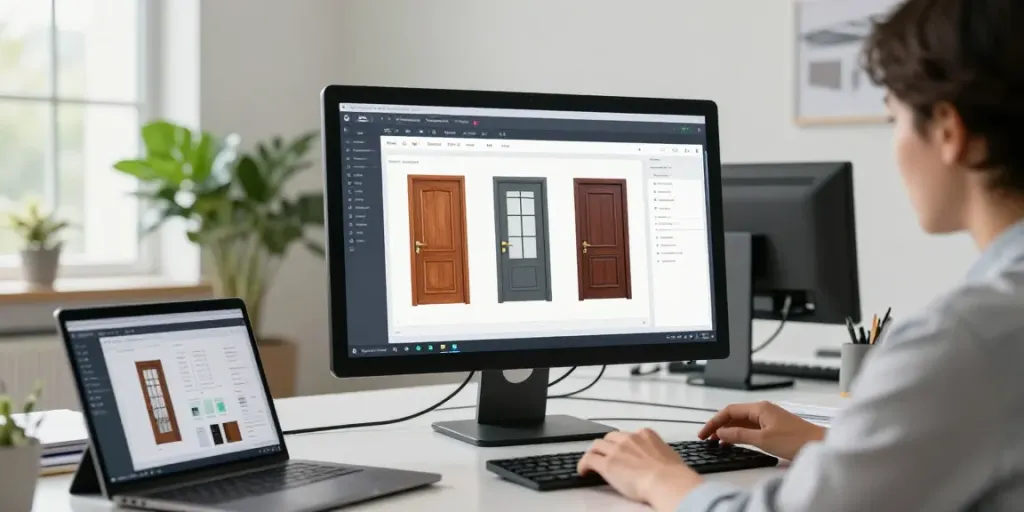
A 3D product configurator is an interactive software tool that enables users to customize products according to their preferences through a virtual model. Unlike traditional configuration methods, 3D configurators allow for immediate visual feedback, showcasing modifications in real time. This means that users can alter aspects such as colors, materials, features, and dimensions, and instantly see how these changes affect the product's appearance and function. This capability not only enhances customer engagement but also streamlines the decision-making process.
Benefits of Using a 3D Product Configurator
- Enhanced Customer Experience: 3D configurators provide an engaging platform for users to explore and customize products, increasing satisfaction and reducing the likelihood of returns.
- Increased Sales Conversion: By allowing customers to visualize their choices, these tools can lead to higher conversion rates as buyers are more likely to purchase products they feel an emotional connection with.
- Cost Efficiency: Automating the configuration process minimizes errors and reduces the time spent on manual tasks, contributing to overall operational efficiency.
- Better Data Insights: Configurator software collects data on user preferences and behavior, providing manufacturers with valuable insights into market trends and customer needs.
Common Applications Across Industries
3D product configurators are utilized in various sectors, including but not limited to:
- Automotive: Customers can configure cars according to features, colors, and specifications, visualizing the end product before purchase.
- Furniture: Users can design their furniture items, choosing styles, sizes, and fabrics, enabling a fully customized experience.
- Building and Construction: Clients can select from various building materials and configurations for structures like pergolas and verandas.
- Consumer Electronics: Companies allow users to customize gadgets, from colors to added features, improving customer satisfaction and brand loyalty.
Key Features of Effective 3D Product Configurators
Customization Options and User Interface Design
For a 3D product configurator to succeed, it must offer a broad range of customization options while maintaining an intuitive user interface. The design should minimize cognitive load, allowing users to navigate easily through the configuration process. Drag-and-drop features, easy-to-understand icons, and guided selling experiences can enhance usability, helping clients make quicker decisions.
Integration with Other Business Systems
An effective 3D product configurator should integrate seamlessly with your existing business systems, such as CRM, ERP, and PIM platforms. This connectivity ensures that all data—ranging from customer preferences to logistical information—flows smoothly across departments. Such integration not only improves operational efficiency but also enhances the user experience by providing real-time updates on inventory and pricing.
Real-Time Price Calculation Mechanics
One of the standout features of a 3D product configurator is its ability to calculate prices in real time. As customers make selections, the system should instantly reflect the impact of their choices on the total cost. This dynamic pricing mechanism helps manage customer expectations and facilitates quick decision-making, reducing friction in the sales process.
Challenges in Implementing 3D Product Configurators
Technical Limitations and Compatibility Issues
While the benefits are significant, challenges in implementing a 3D product configurator can arise. Technical limitations, including software compatibility with existing systems, can hinder the integration process. Organizations need to ensure they have the necessary infrastructure to support a sophisticated configurator.
User Experience Pitfalls
If not designed carefully, a 3D product configurator can overwhelm users due to an excess of options or a complicated interface. It's vital to maintain a balance between flexibility and simplicity, ensuring that the configurator is both powerful and easy to use.
Data Management and Security Concerns
With the increase in data generation from these configurators, data management becomes critical. Organizations must focus on securing sensitive information while ensuring compliance with data protection regulations. Implementing robust data management practices and security protocols is essential for maintaining user trust.
Best Practices for Optimizing Your 3D Product Configurator
Designing for User Engagement
To maximize user engagement, it’s important to design the configurator with the end-user in mind. Implementing features such as in-app tutorials, help pop-ups, and a user-friendly layout can make the configuration process more enjoyable. Conducting user testing can also provide insights into how interactions can be refined to enhance user engagement.
Ensuring Seamless Integration with Business Processes
Optimization also involves ensuring that the configurator works well with existing business workflows. This means closely collaborating with your IT and operations teams to define integration points and streamline processes from configuration to order fulfillment.
Testing and Iteration for Continuous Improvement
Regular testing and iteration are imperative to the success of a 3D product configurator. Gathering user feedback and monitoring performance analytics can guide enhancements, ensuring the configurator evolves with customer expectations and technology advancements.
Future Trends in 3D Product Configuration
Advancements in Technologies for 2026
As technology advances, we can expect 3D product configurators to incorporate more sophisticated features, such as artificial intelligence and machine learning capabilities. These technologies will enable advanced analytics and personalization, enhancing the customization experience and predicting user preferences.
Shifts in Customer Expectations and Behavior
Consumer behavior is constantly evolving, with a growing demand for personalized experiences. Companies must adapt to these changes by leveraging 3D product configurators to provide tailored solutions that meet individual customer preferences.
Integrating Augmented Reality Experiences
Augmented reality (AR) is set to play a pivotal role in the future of 3D product configurators. By allowing customers to visualize products in real-world settings through their mobile devices, AR can significantly enhance the buying experience, making it more immersive and engaging.
What Industries Benefit from 3D Product Configurators?
The industries most likely to benefit from 3D product configurators include manufacturing, retail, building and construction, and consumer electronics. Each industry can leverage these tools to address unique customer needs and improve sales processes, driving greater efficiency and satisfaction.
How to Choose the Right 3D Product Configurator Software?
When selecting a 3D product configurator, consider factors such as integration capabilities, customization options, user interface design, and support services. Additionally, assess how well the software aligns with your specific business processes and customer needs.
Can 3D Product Configurators Help Increase Conversions?
Yes, implementing a 3D product configurator can significantly boost sales conversions by creating a more engaging and interactive shopping experience. Customers are more likely to complete purchases when they can visualize and customize products according to their preferences.
What Technical Requirements Are Needed for 3D Configurators?
To successfully implement a 3D product configurator, organizations should have robust IT infrastructure, including high-performance servers, adequate bandwidth, and secure data storage solutions. Compatibility with existing software systems is also crucial.
How Do I Ensure My Configurator is User-Friendly?
To ensure user-friendliness, focus on intuitive design, clear navigation paths, and providing sufficient support resources. Regularly updating the configurator based on user feedback will also help maintain a positive user experience.