Introduction to IEC Connectors
In the realm of electrical engineering and appliance manufacturing, IEC connectors serve as pivotal components. These connectors, defined by the standards set by the International Electrotechnical Commission (IEC), are vital for ensuring the safe and efficient transmission of electrical power. As the demands for reliable electrical connections continue to surge across various sectors, understanding the significance of IEC connectors becomes paramount. Their versatility is reflected in a wide array of applications, from household electronics to complex industrial machinery. When exploring options, IEC connector manufacturer provide comprehensive insights into the range of products available.
What Are IEC Connectors and Their Importance?
IEC connectors are standardized electrical connectors that facilitate the connection of power to various electrical appliances. They are fundamental in ensuring that appliances, such as computers, televisions, and industrial machinery, function reliably and safely. The importance of IEC connectors cannot be overstated; they not only provide a safe means of electrical connection but also adhere to rigorous safety and performance standards defined by the IEC, ensuring that they can handle voltages up to 250 V AC and currents up to 16 A.
Key Applications of IEC Connectors
IEC connectors are used in a multitude of applications across various industries. Some key areas include:
- Consumer Electronics: Connecting power to devices like televisions, computers, and audio equipment.
- Industrial Automation: Ensuring reliable power connections for machinery and equipment in manufacturing settings.
- Medical Devices: Providing secure power connections for medical instruments that require stringent safety standards.
- Telecommunications: Facilitating power supply to networking equipment and data centers.
Understanding IEC Standards and Compliance
The IEC standards provide a framework for the manufacturing and testing of electrical components, ensuring that products are safe to use in their intended applications. Compliance with these standards not only enhances product safety but also ensures compatibility with a wide range of devices globally. Manufacturers like LANZ Electronics ensure that their IEC connectors meet these compliance requirements, thus providing customers with peace of mind regarding product quality and safety.
IEC Connector Manufacturing Process
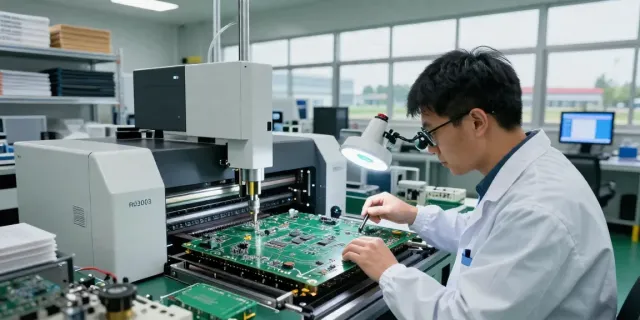
The manufacturing process of IEC connectors involves several steps, each critical to ensuring the quality and reliability of the final product. This process includes selecting appropriate materials, precision molding, and rigorous testing at various stages of production.
Raw Materials Used in IEC Connector Production
The raw materials used to produce IEC connectors play a significant role in their performance. High-quality plastics such as polycarbonate and nylon are commonly used for the housings due to their durability and electrical insulating properties. Additionally, copper is often used for the internal contacts to ensure excellent electrical conductivity. Recent advancements have introduced eco-friendly materials that not only perform well but also reduce environmental impact.
Quality Control Measures in Manufacturing
Quality control is an integral part of the manufacturing process for IEC connectors. Manufacturers implement rigorous testing procedures, including:
- Dimensional Inspection: Ensuring that connectors meet specified size and shape requirements.
- Electrical Testing: Verifying the electrical performance under varying loads.
- Environmental Testing: Assessing how connectors perform under different environmental conditions.
These measures help ensure that each product that leaves the factory meets the high standards set by both the manufacturer and regulatory bodies.
Innovations in Manufacturing Technologies
Technology is continuously evolving, and so is the manufacturing process of IEC connectors. Innovations such as automated assembly lines and advanced computer-aided design (CAD) tools allow for greater precision and efficiency in production. Furthermore, the introduction of 3D printing has streamlined prototyping, allowing manufacturers to rapidly develop and test new designs before mass production.
Global Market Trends for IEC Connectors in 2026
The global market for IEC connectors is expected to witness significant growth in the coming years, driven by increasing demand across multiple sectors. Understanding these trends is crucial for manufacturers looking to thrive in this competitive landscape.
Emerging Markets for IEC Connector Manufacturers
Emerging markets, notably in Southeast Asia and Africa, are becoming increasingly significant for IEC connector manufacturers. The rapid industrialization and expansion of the telecommunications infrastructure in these regions create a growing demand for reliable electrical components. Manufacturers who can adapt to local market needs and provide customized solutions will likely succeed in these competitive environments.
Competitive Landscape: Key Players in the Industry
The IEC connector market is competitive, with several players vying for market share. Companies like Schurter, TE Connectivity, and LANZ Electronics are notable leaders in the industry. These manufacturers not only offer a wide range of products but also emphasize quality, compliance, and customer service, which are crucial differentiators in this market.
Challenges Faced by IEC Connector Manufacturers
While the market presents numerous opportunities, manufacturers also face challenges such as:
- Regulatory Hurdles: Complying with varying international standards can complicate export processes.
- Supply Chain Disruptions: Global events can affect the availability of raw materials and transportation logistics.
- Intense Competition: Differentiating products in a saturated market requires innovation and investment.
Customization and Engineering Services
As customer needs evolve, the demand for customized solutions in IEC connectors is on the rise. Manufacturers that can offer tailored products and engineering services will have a competitive edge.
The Role of Custom Engineering in IEC Connectors
Custom engineering involves designing and manufacturing connectors to meet specific customer requirements, such as unique shapes, sizes, or electrical characteristics. This service is especially valuable for OEMs who need connectors that fit seamlessly within their products. Companies like LANZ Electronics excel in providing these bespoke solutions, ensuring that clients receive connectors perfectly tailored to their applications.
Case Studies of Successful Custom Solutions
Successful collaborations between manufacturers and clients often highlight the importance of custom engineering. For example, a medical device manufacturer may require connectors that can withstand sterilization processes while maintaining electrical integrity. By partnering with a manufacturer who understands the specifics of the medical industry, they can develop a reliable and compliant solution.
Exploring ODM Opportunities in the Market
Original Design Manufacturing (ODM) opportunities allow companies to leverage the expertise of manufacturers to create and market their products. By collaborating with established IEC connector manufacturers, businesses can reduce time-to-market and focus on their core competencies while relying on their partner’s production capabilities and industry knowledge.
Future Predictions for IEC Connectors
The future of IEC connectors is set to evolve with advancements in technology and changing market demands. Here are several predictions for the industry moving forward.
Technological Advancements Shaping the Future
Emerging technologies such as the Internet of Things (IoT) are driving the demand for advanced IEC connectors. As more devices become interconnected, the need for reliable, high-performance connectors that can handle increased data transfer rates and power loads will grow. Manufacturers must invest in research and development to create innovative products that meet these demands.
Sustainability Trends in IEC Connector Manufacturing
Environmental sustainability is becoming increasingly important in manufacturing processes. Many companies are adopting sustainable practices, such as using recyclable materials and reducing waste during production. The trend towards green manufacturing is not just a regulatory requirement but also a competitive advantage in attracting environmentally conscious consumers.
Strategic Recommendations for Manufacturers Moving Forward
To thrive in the ever-evolving IEC connector landscape, manufacturers should consider the following strategic recommendations:
- Invest in Research and Development: Stay ahead of technological trends by continuously innovating product offerings.
- Enhance Supply Chain Resilience: Develop partnerships with diverse suppliers to mitigate disruptions.
- Focus on Customer-Centric Solutions: Understanding customer needs and providing tailored products can create lasting relationships.
What Are the Key Benefits of IEC Connectors?
IEC connectors offer numerous benefits, including:
- Safety: Compliance with international standards ensures safe usage in various applications.
- Versatility: Their wide range of applications makes them suitable for various industries.
- Durability: High-quality materials and manufacturing processes guarantee long-lasting performance.
Who Are the Leading Manufacturers in the IEC Connector Market?
Leading manufacturers in the IEC connector market include LANZ Electronics, TE Connectivity, and Schurter, each known for their commitment to quality and innovation.
How to Choose the Right IEC Connector for Your Needs?
Choosing the right IEC connector requires considering factors such as:
- Electrical Specifications: Ensure the connector meets voltage and current requirements for your application.
- Compatibility: Confirm that the connector is compatible with existing equipment.
- Regulatory Compliance: Verify that the connector adheres to necessary safety standards.
What Are Common Applications for IEC Connectors?
IEC connectors are commonly used in:
- Computers and peripherals
- Consumer appliances like televisions and kitchen equipment
- Industrial equipment and controls
- Telecommunication systems
What Are the Certification Standards for IEC Connectors?
Certification standards for IEC connectors typically include UL, CE, RoHS, and REACH, which ensure that the connectors comply with safety and environmental regulations.